
Lessons from real retail projects on how to avoid delays, rework, and compromised store designs
The store was supposed to open on Monday. By Friday afternoon, the space was still a construction zone.
Fixtures arrived late and didn’t quite fit. Power outlets and millwork locations didn’t line up. Without a proper site survey or updated architectural drawings, installers were left making decisions on the fly. What should have been a precise build became a scramble to make things work.
The store did eventually open, but not without delays, rework, damaged fixtures, and a finish that wasn’t quite right.
This is exactly why experienced retail millwork installation companies, like Dynamic Resources, insist on proper planning from day one.
While this is an imaginary scenario, it’s all-too familiar. Too many retail brands treat installation as an afterthought—leading to these costly and avoidable mistakes:
- Not hiring a retail installation company to manage and install fixtures, millwork, graphics, window displays, and more.
- Relying on outdated architectural drawings and site surveys.
- Underestimating the work required to install new millwork or replace graphics—assuming this can be done “on the fly”.
- Forgetting to coordinate with trades and partners including electrical, HVAC, lighting, security, etc.
- Following retail design trends that do not mesh with an established brand persona.
- Overlooking the importance of sustainable store, millwork, and fixture design and installation in this era of eco-consciousness and customer awareness.
- Assuming fixture, millwork, graphic, and store interior maintenance can be managed by sales and customer service personnel.
We understand—you’re under pressure, need to save money and time, and simply want to get your store design done as quickly as possible. Trust us when we tell you that cutting corners and skipping steps is a sure-fire way to a delayed, costly, and stressful store launch or redesign.
Do not make these mistakes—follow our advice built on more than 30 years of experience in retail design and installation.
Mistake #1: Treating Retail Installation As An Afterthought
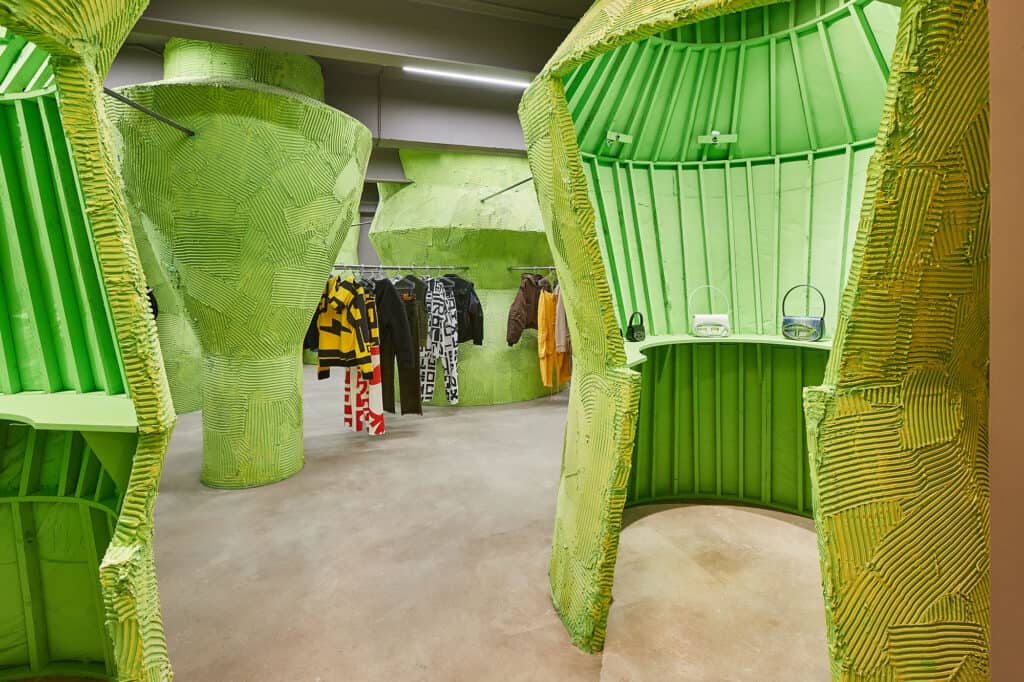
Too many retail brands and store owners focus on the fun parts of a store design or refurb—choosing new shelving and lighting, designing a new window display, or creating new in-store graphics—and treat installation as a separate step.
This is why so many store openings are delayed and burdened with costly overruns. You can prevent this by hiring a retail millwork installation company from day one and avoid the stress that comes with fixtures that don’t quite fit, unreasonable schedules, days where nothing is happening, and costly rework.
Do This Instead:
- On day one, hire a retail millwork installation company.
- Trust this company to manage every aspect of your retail store design, launch or refurb, installation, and opening.
This includes their advice on retail surveys and architectural drawings, connecting you with design partners, and in creating a realistic installation schedule.
Mistake #2: Skipping Site Surveys and Architectural Drawings
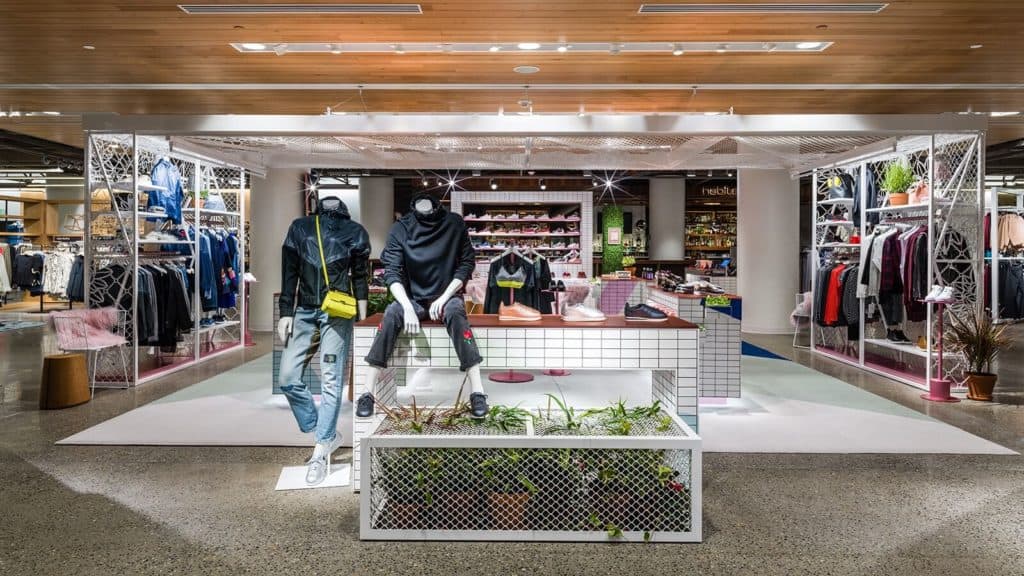
One of the most common and expensive mistakes in retail installation is believing you know your store. Brands often rely on old drawings, past surveys, or informal walk-throughs, assuming they have enough information to guide the design.
Site surveys and architectural drawings are the foundation for design, creativity, and installation. With these, you know exactly where your outlets are located, the size and number of windows, the dimensions of your front door, ceiling height, distance from the front door to the checkout counter and fitting rooms, and more.
Do This Instead:
When interviewing retail millwork installation companies make sure they have the people, skills, and tools to provide these retail site surveys, audits, and architectural drawings:
- Architectural or As-Built Surveys: document the physical layout, dimensions, and structural elements of a space to ensure accuracy in planning, design, and construction.
- Matterport Surveys: an interactive digital walkthrough of your retail stores, allowing you to virtually explore and see a location on your computer, phone, or tablet without being physically present.
- Field and Site Audits: are non-drawing data collections and checklists of information about your retail space such as store layout details, product placement, visual merchandising, and store branding compliance.
- Interior Surveys: a precise measurement and documentation of the internal layout, including walls, ceilings, fixtures, and mechanical systems, to support space planning, renovations, and retail installations.
- Fixture Verification Surveys: confirm the presence and condition of fixtures in your retail space, ensuring all fixtures and millwork are installed, functioning, and maintained as planned.
- Asset Tracking Surveys: involve cataloging and verifying the location and condition of assets within your retail store, helping you maintain accurate records and counts of items such as number of chairs, types of signage, promotional materials, or number of POS units.
- Space Planning Surveys: help you understand and analyze how retail fixtures, layout, and visual merchandising can be used to optimize your space for efficiency, customer experience, and functionality.
- Compliance and Marketing Surveys: verify that your retail spaces comply with any variable you want to measure, such as the use of marketing and promotional materials, safety compliance, building code adherence, accessibility standards, and more.
Mistake #3: Underestimating the Logistics of Retail Installation
Retail installation is often underestimated, with little consideration of what it takes to replace and install shelving, signage, lighting, counters, and custom millwork.
Compounding retail store design or refurbishment is managing the small but important details. Deliveries arrive too early or too late. Fixtures block access to other work. Graphics can’t be installed because lighting or power isn’t ready. Crews lose valuable time navigating store limitations instead of installing. The result is rushed work, a delayed opening, and last-minute compromises that affect quality and safety.
It’s important to remember that most installations take place in a “live” retail environment. So you need a plan that fits with your current and future store.
Do This Instead:
Trust your retail installation partner to manage the logistics of every aspect of your project. This company should:
- Review and discuss store access hours, restrictions, and security requirements upfront
- Develop realistic installation schedules based on the scope of the store design and site conditions
- Coordinate deliveries, staging areas, and material handling to avoid delays and damage to fixtures, millwork, graphics, etc.
- Create a realistic installation plan that ensures your new design is professionally installed on-time and on-budget
- Coordinate with trades and partners, ensuring there are no surprises during the install
- Bring in their local team of retail installers and project managers for the entire project
- Discuss any surprise delays such as supply chain or weather-related interruptions and how the schedule will be adjusted to meet your opening or relaunch date
Mistake #4: Forgetting To Connect and Work with Trades and Partners
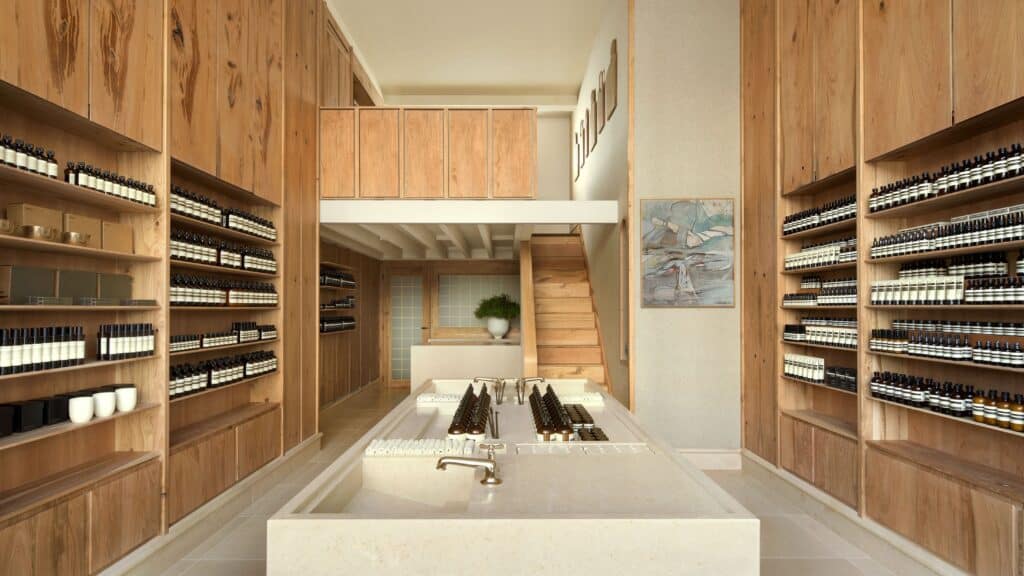
Retail millwork installation doesn’t happen in isolation. Every fixture, graphic, and display is affected by what’s happening around it—power, lighting, data, HVAC, security, plumbing, etc.
Too often, trades are brought in late or work in silos—resulting in expensive compromises and stressful communication. You need proactive coordination amongst your installation team, trades, and bespoke partners.
When this happens mistakes are mitigated, risks are identified early, responsibilities are clear, and everyone is working from the same plan and schedule—minimizing the chance of last minute surprises.
Do This Instead:
Before determining your store opening or launch date, ask your trade teams and partners these questions—their answers will help you plan a realistic store design and installation schedule:
- What information do you need from the retail design team to plan your work and understand any challenges?
- What drawings and surveys do you need? Will you do your own site surveys and drawings or use ours?
- If we plan on new lighting, how much time do you need to install this? How should we prepare the store to make it easy for your team to do their job?
- Are there any limitations with our electrical and HVAC that would prevent us from doing a major store refurbishment, including new interior walls?
- How much time do you need to do your job? How many people are required?
- What is your plan if there are delays?
- What is the best way for you to communicate and work with other trades and partners?
- Do you have a list of references and stores that we can visit?
Mistake #5: Neglecting Brand Guidelines for the Sake of Trends
Brand is everything—it’s core to communicating your ethos and vision and building lasting connections with customers.
The common mistake we see during retail design and installation projects is store and brand owners getting caught up in the latest design trends with no consideration for how these fit with your brand story.
Neon colors and loud music that make your store look and feel date within a few years. Choosing a minimalist design, creating a sterile environment that neglects your cozy, community brand vision. Forcing a shareable and Instagrammable store design when your customers are not active on social media. Ignoring how your customers like to browse and shop with a store layout that feels confusing and disjointed.
We want you to be creative with your retail design and installation—but not at the expense of your brand reputation and customers. Remember store design is successful when it bridges brand guidelines, trends, and customer perception (of themselves and your brand).
Do This Instead:
How to stay creative while working within brand guidelines:
- Anchor every design decision to core brand principles, not short-term trends
- Define clear rules for materials, finishes, colors, and typography
- Remember visual merchandising must support the customer journey
- Collaborate early with installation teams to ensure your design concepts are doable
Allow design flexibility where it adds value—while maintaining brand consistency. Your brand guidelines are just this—guidelines—the best retail design teams know how to use them to spark creativity that appeals to everyone from your marketing team through to your customers.
Mistake #6: Overlooking the Importance of Sustainable and Reusable Retail Design
Sustainable retail design and merchandising is not a nice-to-have—it’s a must-have. Your customers demand it. Your design and installation budgets demand it.
Reusing millwork, fixtures, pop-up installations, graphics, and more is good for your bottom line and budget. And even better, you can highlight your sustainable design commitment in your marketing campaigns—even building specific social ads around your responsible design approach.
Do This Instead:
Implement these sustainable retail design strategies:
- Use recycled and recyclable retail fixtures
- Use environmentally friendly and sustainable building materials
- Use LED lighting and climate control
- Make it easy to recycle in-store
- Adhere to LEED certification best practices
Mistake #7: No Maintenance or Post-Installation Plans
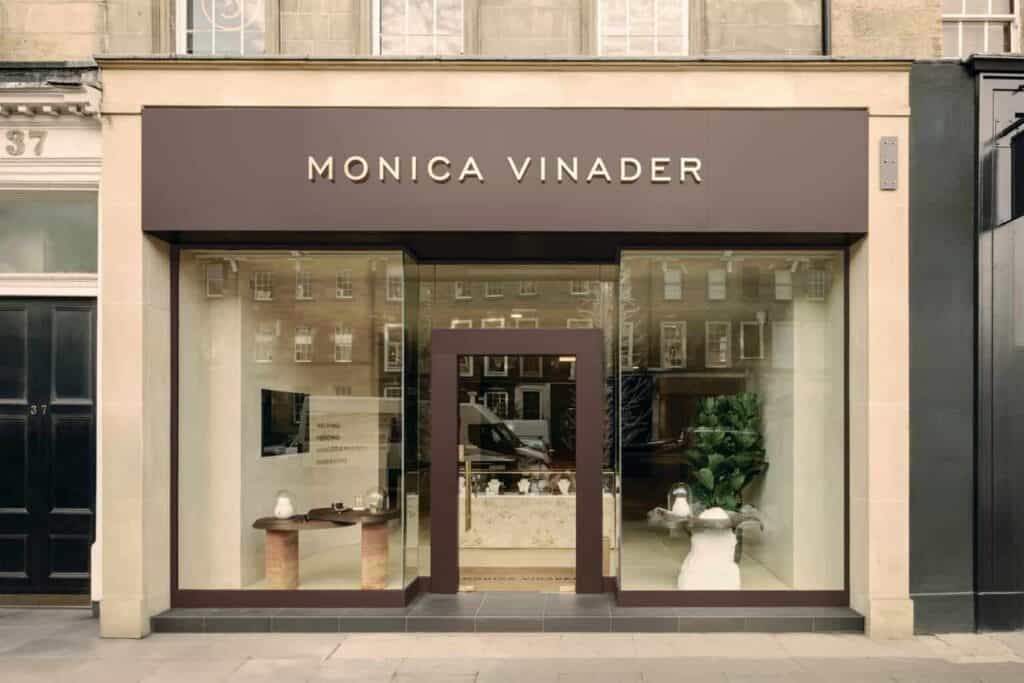
You’ve been in that store that looks tired and old. Maybe some of the shelves are crooked, there are scratches in the counters, and the signage is out-of-date—you don’t want to shop there, regardless of how great the products are.
Guaranteed the store and brand owner did not set out to let their interior deteriorate, instead they fell victim to a common mistake of just assuming their store would continue to look sharp.
Proactive maintenance protects the investment made in design and installation. It ensures stores age consistently, remain safe and functional, and continue to reflect the brand standards.
Do This Instead:
Follow this store maintenance checklist:
- Conduct regular walk-throughs to identify wear, damage, or store fatigue
- Schedule regular site surveys to inspect fixtures, millwork, shelving, and hardware for quality and safety
- Review graphics and signage for peeling, fading, damage, and timeliness
- Create and enforce a store cleaning schedule
- Talk to your retail design and installation partner about preventative and reactive maintenance services
The #1 Way to Avoid Retail Installation and Design Mistakes
The best way to avoid these retail installation and design mistakes is to work with an experienced retail design and installation partner like Dynamic.
With more than 30 years of experience, we’ve built a global retail design and installation company that works with leading brands in fashion, technology, automotive, hospitality, sports and entertainment, and more is unmatched.
At Dynamic, our unique combination of IN-HOUSE offerings makes us your single source provider for all your retail installation and design needs. No one understands retail installation and design better than we do.
Contact us to learn how we handle any aspect of your business—from an individual retail store to a global rollout. We are here for you.