
Learn how the right retail store design and construction partner can help you plan, build, and install a store that works for customers, staff, and your brand.
Retail stores need to do more than look good. They need to support how customers move, shop, interact with products, and understand the brand. That is why retail store design and construction has to be planned as one connected process, from the first site review to the final installation.
A strong retail environment does not happen by accident. It depends on how well the design, materials, construction schedule, site conditions, and installation details work together.
When those details are managed well, the store feels clear, consistent, and easy to use. When they are not, customers notice. So do staff, project teams, and brand leaders.
What Is Retail Store Design and Construction?
Retail store design and construction is the process of planning, building, fitting out, and finishing a physical retail space.
It can include:
- Site surveys and space planning
- Design development and approvals
- Construction management
- Demolition and build-out
- Mechanical, electrical, plumbing, HVAC, and lighting coordination
- Custom millwork and fixture production
- Graphics, signage, and visual merchandising elements
- Warehousing and logistics
- Millwork, fixture, lighting, graphics, and window display installation
- Final checks, maintenance, and repair
The goal is not only to create an attractive store. The goal is to create a store that works.
That means the space should support customer flow, product discovery, brand consistency, staff operations, accessibility, and long-term maintenance. A beautiful design can create problems if fixtures are hard to use, signage is unclear, materials are not suited to the space, or installation details are missed.
Retail design sets the direction. Construction and installation turn that direction into a finished store environment.
Why Retail Store Design Shapes the Shopper Experience
Customers experience a store through physical details.
They notice how easy it is to enter the space, where to go first, how products are displayed, whether the lighting feels right, and whether the store makes sense without needing too much explanation.
Good retail design helps answer those questions through the environment itself.
- The height of a fixture can affect how products are seen
- The placement of a graphic can help customers understand a promotion
- The layout can guide movement through the store
- Lighting can change how materials, colours, and products feel
- Millwork can make a brand feel more refined, playful, minimal, luxurious, or practical
These details also affect staff. A store that is difficult for customers to navigate is often difficult for teams to support. Poor fixture placement, tight spaces, unclear signage, or inconsistent installations can create friction on the sales floor.
A better shopper experience starts with a store that is built around real people, real products, and real store conditions.
The Retail Store Design and Construction Process
Every project is different, but most successful retail store design and construction projects follow a clear sequence.
1. Site review and project planning
The process usually starts with understanding the space.
A site survey can help confirm the practical details that affect design and construction, from measurements and access points to wall conditions, utilities, fixture locations, and signage opportunities.
This step helps reduce guesswork before materials are ordered, trades are scheduled, or installation begins.
2. Design development and approvals
Once the site is understood, the design can be developed into a plan that can actually be built.
This may include drawings, renderings, finishes, fixture plans, millwork details, lighting, signage, and the approvals needed before construction begins.
The stronger the design development process, the easier it is to protect the design intent during construction and installation.
3. Materials, fixtures, millwork, and graphics
Materials and fixtures do a lot of work inside a store.
They support how products are displayed, how customers move through the space, and how the brand shows up in the finished store.
Custom millwork, fixtures, graphics, signage, and display systems all need to be designed and produced with the real store environment in mind.
This is where practical details matter. A material may look great in a drawing, but it still has to work in the finished store. It has to fit the budget, timeline, installation requirements, maintenance needs, and customer experience.
4. Construction management and trade coordination
Retail construction involves many moving parts.
Good construction management helps keep the work moving in the right order. It connects the design plan to the site work, installation schedule, materials, trades, approvals, and final checks.
This is especially important for brands managing more than one location. A missed detail in one store can become a repeated issue across a roll-out if it is not caught early.
5. Installation and final checks
Installation is where the store starts to become real.
Fixtures are assembled. Millwork is installed. Lighting is checked. Graphics and window displays are installed. Product displays are placed. Final adjustments are made so the space works the way it was intended to work.
This stage should not be treated as an afterthought. Installation quality affects how the store looks, how customers move through it, how products are presented, and how consistently the brand shows up.
What Affects Retail Store Design and Construction Costs?
Retail store design and construction costs depend on the scope and complexity of the project.
A small refresh will have different cost drivers than a flagship store, restaurant rebrand, luxury boutique, pop-up, or multi-location roll-out.
Common cost factors include:
- Store size and format
- Project type, such as a new build, renovation, refresh, or roll-out
- Site conditions, demolition, permits, and approvals
- Custom fixtures, millwork, materials, and finishes
- Lighting, HVAC, electrical, plumbing, and mechanical requirements
- Graphics, signage, technology, or interactive elements
- Warehousing, logistics, installation, and post-installation support
The best way to manage cost is to understand the scope early. Clear drawings, accurate site information, realistic timelines, and coordinated project management all help reduce surprises once construction begins.
Retail Design Choices That Improve the Shopper Experience
A better shopper experience is built into the store through practical design choices.
Layout and flow
Customers should be able to understand the space quickly. A good layout helps people know where to go, how to move through the store, and where to find what they need.
Fixtures and product presentation
Fixtures are not just display tools. They shape how customers interact with products. The right fixture can make products easier to see, compare, touch, test, or understand.
Lighting and atmosphere
Lighting affects mood, visibility, product presentation, and comfort. It can draw attention to key areas, support brand personality, and make the store easier to navigate.
Graphics and signage
Graphics help customers recognize the brand, understand promotions, find products, and move through the store. They are often one of the most visible parts of the finished environment.
Materials and finishes
Materials tell customers something about the brand. Wood, stone, metal, glass, colour, and texture all affect how the space feels and how durable it is over time.
Convenience
A good store should make shopping easier. That can include clear pathways, accessible displays, simple checkout, fitting room support, pickup areas, or space for staff to help customers without blocking the flow.
Retail Store Design and Construction Examples from Dynamic Resources
Dynamic Resources has supported retail design, construction, fit-out, and installation projects across store formats, categories, and markets.
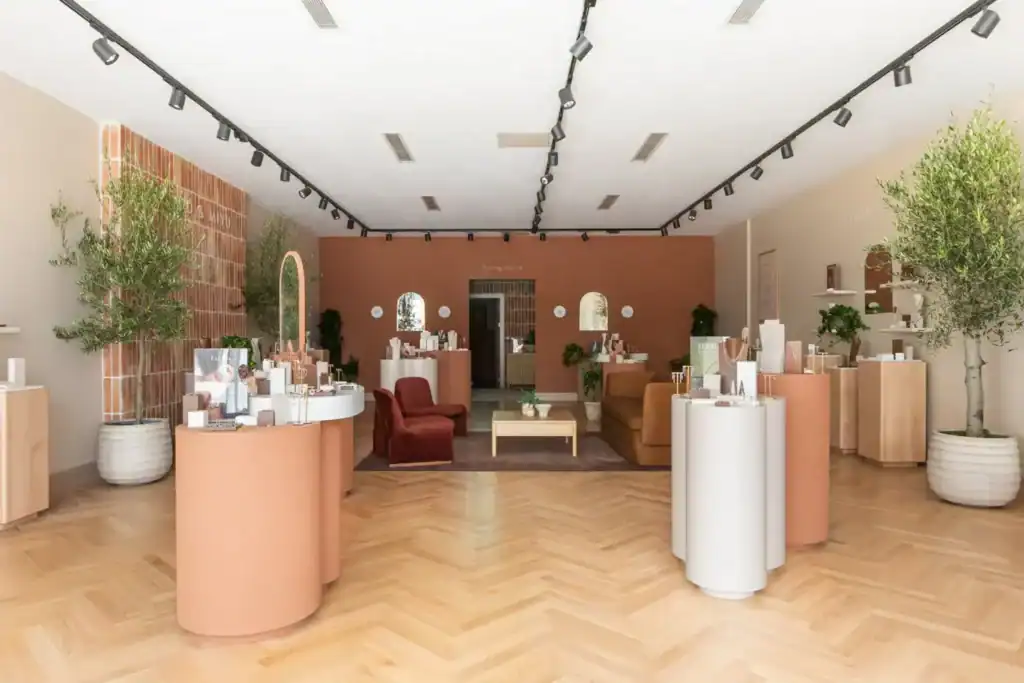
For Astrid & Miyu, Dynamic delivered the brand’s 1,800-square-foot Belfast store, its debut in Northern Ireland. The project included a full store fit-out, architectural drawings, electrical and plumbing work, and millwork installation. Dynamic has also delivered more than 10 stores for the jewellery brand across Europe and the U.S., along with pop-ups in Harrods and Selfridges.
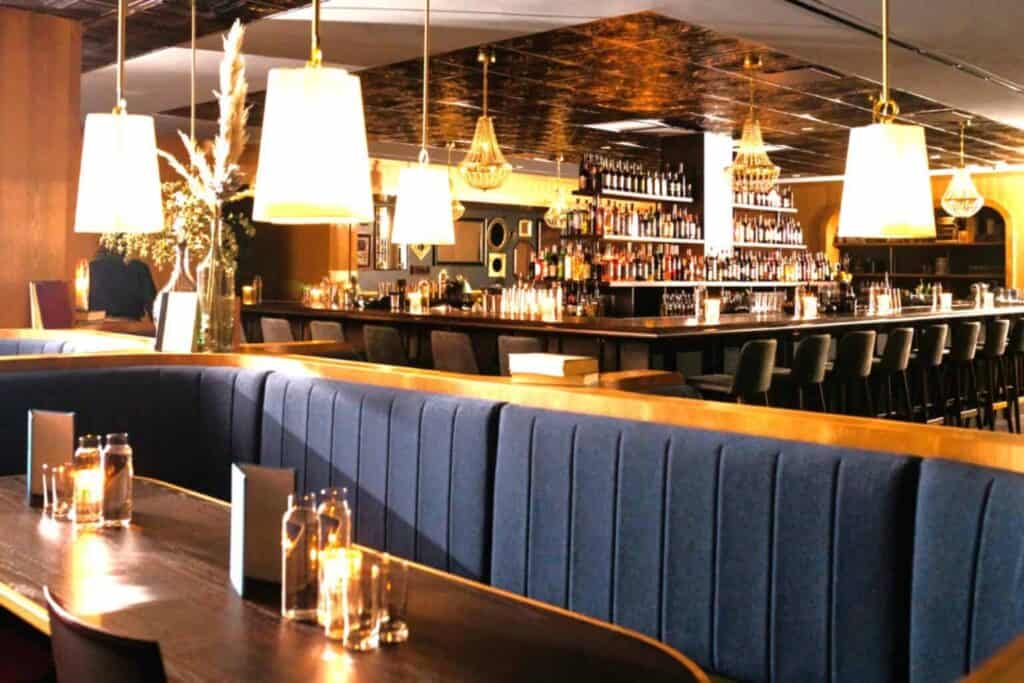
For The Cat Bird, Dynamic installed millwork, furniture, and fixtures for a Nashville restaurant rebrand. The project took place over five weeks and shows how retail construction and installation expertise can support hospitality environments as well as traditional stores.
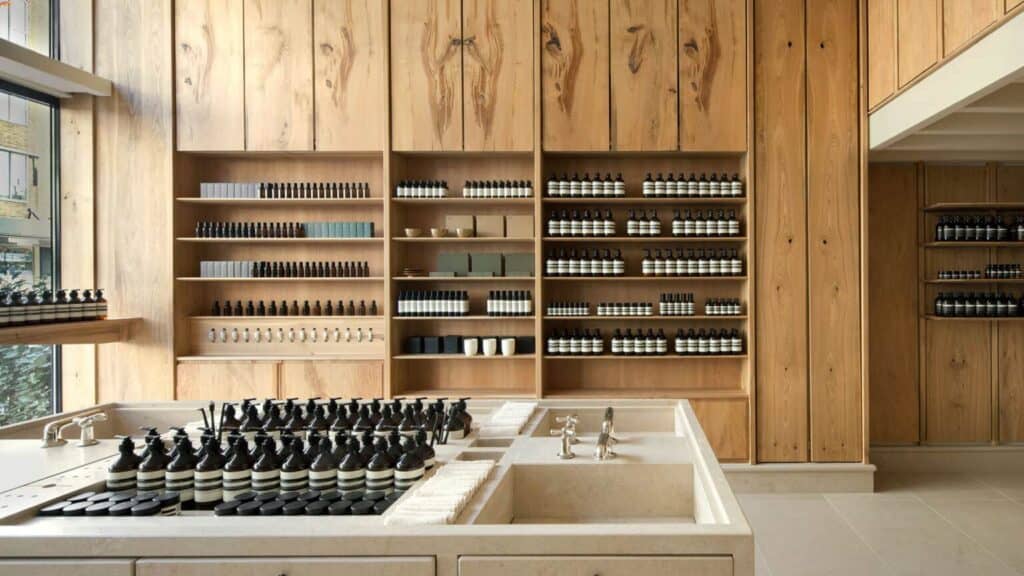
For Aesop, Dynamic completed construction for the brand’s first high street store in collaboration with Aesop and fine-furniture maker Sebastian Cox. The work included demolition, HVAC supply and installation, plumbing, mechanical and electrical work, custom framework, basement fit-out, limestone flooring, and material sourcing.
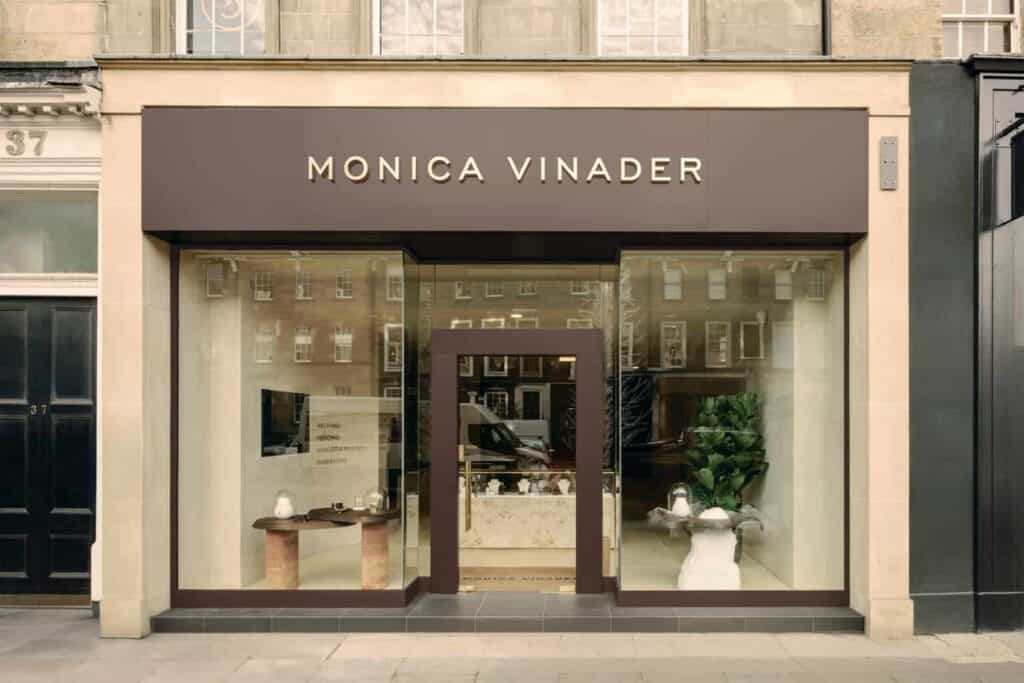
For Monica Vinader, Dynamic managed the technical development, production, and installation of detailed millwork for a flagship store. The work included materials such as poplar veneer, red travertine, and live-edge oak shelving to support the brand’s focus on quality, craftsmanship, and sustainable practices.
These projects show how different retail environments require different construction and installation decisions.
A jewellery store, skincare boutique, restaurant, and flagship retail space may have very different design goals. But they all depend on the same fundamentals: clear planning, careful coordination, skilled installation, and attention to the physical details customers see, touch, and move through.
Choosing the Right Retail Store Design and Construction Partner
The right partner should understand both the creative and practical sides of the project.
A strong retail construction partner should be able to help you answer questions like:
- What needs to happen before construction begins?
- Are the site conditions fully understood?
- Can the design be built within the timeline?
- What materials, fixtures, and finishes make sense for the space?
- How will trades, suppliers, installers, and internal teams stay coordinated?
- How will the finished store protect the brand experience?
- What happens after installation is complete?
Dynamic’s retail construction teams manage and build out spaces across the globe, supported by local construction project managers, field supervisors, installers, and sourcing experts. That combination of global experience and local knowledge helps brands manage the details that shape the finished store environment.
Ready to Start Your Next Retail Store Design and Construction Project?
Your store needs to look right, work well, and support the way your customers shop.
That starts with a retail store design and construction plan that connects the design intent to the finished store environment.
At Dynamic, our in-house offerings make us a single-source provider for retail design and installation, construction, fixtures, maintenance, and logistics support.
Contact us to learn how we handle every aspect of your business – from an individual installation to a global roll-out.