
Know how to deliver a customer experience that positively impacts your bottom line
As a shop owner, you’ve seen it happen. A customer stops at your window display, takes it in, and then walks into your store.
Very quickly you start to notice patterns with your customers—similar age groups, styles, and buying behaviors. Everyone shopping in your store has a lot in common.
This doesn’t happen by chance.
To get the right people to walk into your brick-and-mortar store, you need to remember how the customer experience impacts your bottom line. To sell products, you need customers. To get customers, you need to know what they want from their customer experience.
You cannot guess at this. You need to do your demographics research. You need to connect the dots between your products, the challenges your demographic has, and how you can help these people.
Your bottom line and success depend on making the right connections and delivering the right customer experience.
Demographics. In-store branding. Retail design. Connection.
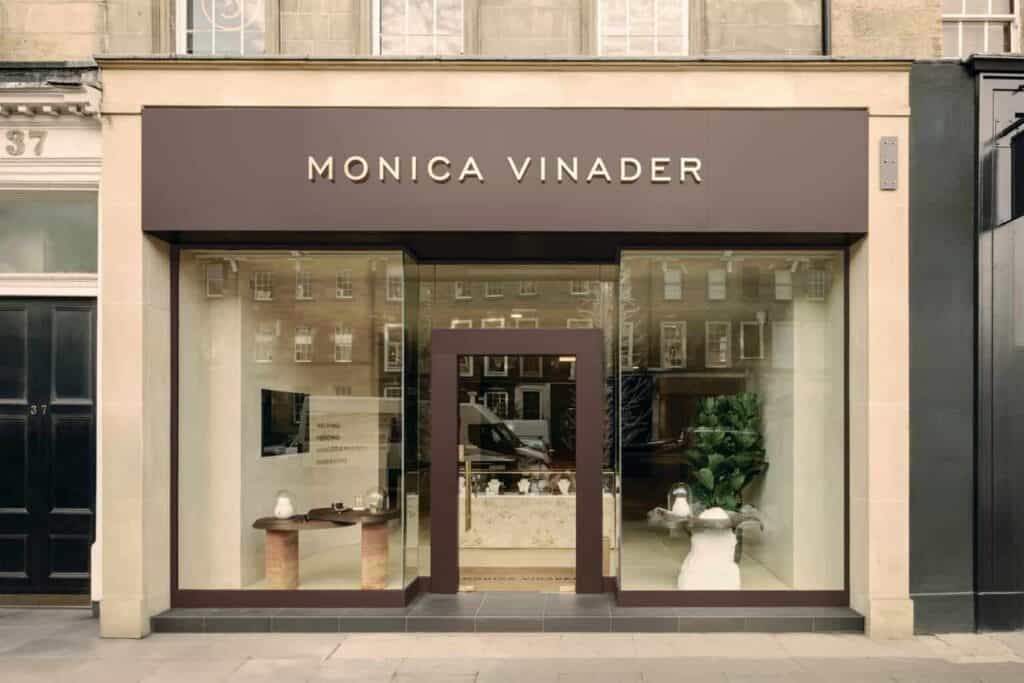
What are Customer Demographics in Retail?
Customer demographics are the traits that tell you who your customers are.
- Age: the bright busy Instagrammable graphic installation with multiple screens and emo music is very likely not going to draw in the 50+ customer wearing sensible shoes.
Make sure you know the age range of your customers. Yes, you will have outliers, this is normal – but it’s important to know the general age category of your customers. - Gender: do your products appeal to everyone, or do they appeal to one specific group of individuals?
The colors, language, music, and your retail fixtures must appeal to your customer gender. Make sure you know who needs your products and why they may appeal to one gender more than another. - Income: there are some stores you walk past and instantly know you cannot afford the products being sold. Your branding and visual displays should subtly communicate the prices of your products.
You need to know the general income or purchasing power of your customers and consider this in all aspects of your retail branding and marketing. - Education: in general, the education level of people determines the amount of research they do before making a purchase decision and the types of product features they want.
Education level can also determine the questions people ask when they walk in your store and impact your in-store visuals and marketing. - Location: people living in a mountain town have different outdoor interests than people living in a seaside resort. Do your products appeal to people who aspire to downhill skiing or are they for people who grew up on skis?
How does your location impact customer needs, wants, and challenges?
In addition to these general qualities about your customers, you need to understand customer psychographics. Psychographic information tells you why people buy and allow you to dig deeper into who your products are for, helping you develop clear product and brand points-of-view.
Psychographic details that can help you align your retail branding with customer experience:
- Interests and hobbies
- Values and beliefs
- Personality qualities
- Lifestyle habits
Why Customer Demographics in Retail Matter for Retail Branding and Marketing
Retail branding is a relationship tool, allowing you to connect, engage, and resonate with potential and loyal customers. Retail branding is the use of logos, colors, packaging, visual merchandising, graphic installation, design elements, and language to differentiate your products and services from those of your competitors.
You cannot make this up. You cannot simply choose a window display because you like it. Your retail branding decisions must be informed by your customer demographic and psychographic information.
For example, the bright busy Instagrammable graphic installations with multiple screens and emo music might be cool and turn heads – but does it attract the people you’re selling to, or does it turn them off?
Your brand personality should mesh with your customer personality.
Stand outside your retail store – what personality do you see and feel? Who is walking into and walking past your store?
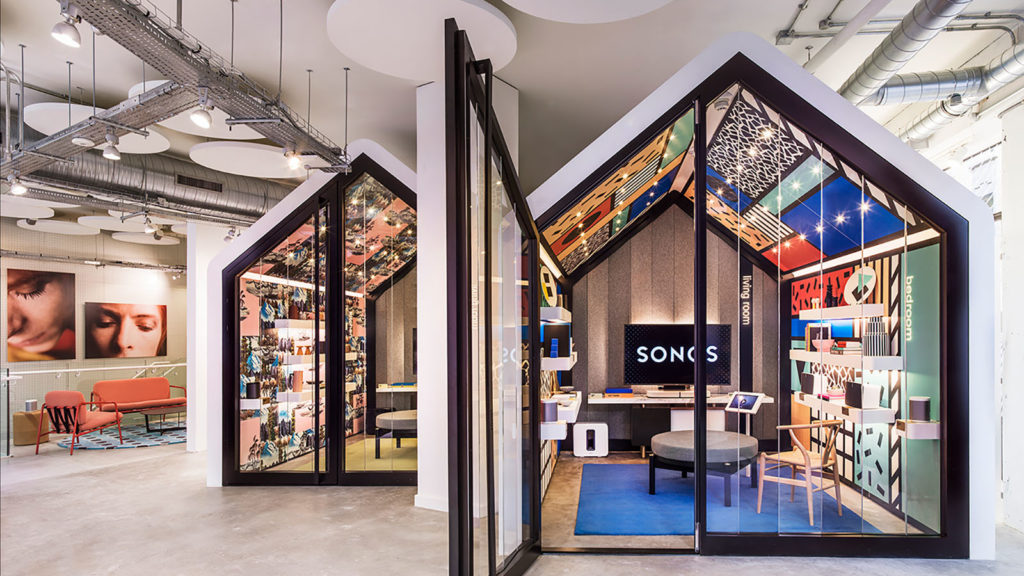
How Customer Demographics Impact Retail Store Design
Customer demographics should shape your store design much earlier than most retailers think. This is not just a branding conversation—it affects traffic flow, display density, aisle width, signage, and what customers can comfortably do in your store.
If your customers are mission-driven shoppers, your layout needs to help them orient fast:
- Clear sightlines from the entrance
- A visible main path
- Quick access to core categories
If your customers are not browsing, they are not going to slow down just because something looks interesting. If they cannot quickly understand where to go, they move on.
If your customers are browsers, the priority changes. You need enough room for them to pause, compare, and discover without feeling boxed in. That usually means fewer obstacles, more breathing room around key displays, and less visual clutter.
The mistake is trying to design for both behaviors equally. In most stores, one dominates—and if you don’t choose, the layout ends up not working for either group.
This is where a retail construction project manager has to think beyond finish selections and fixture counts. Aisle width, fixture height, and location all influence how people move.
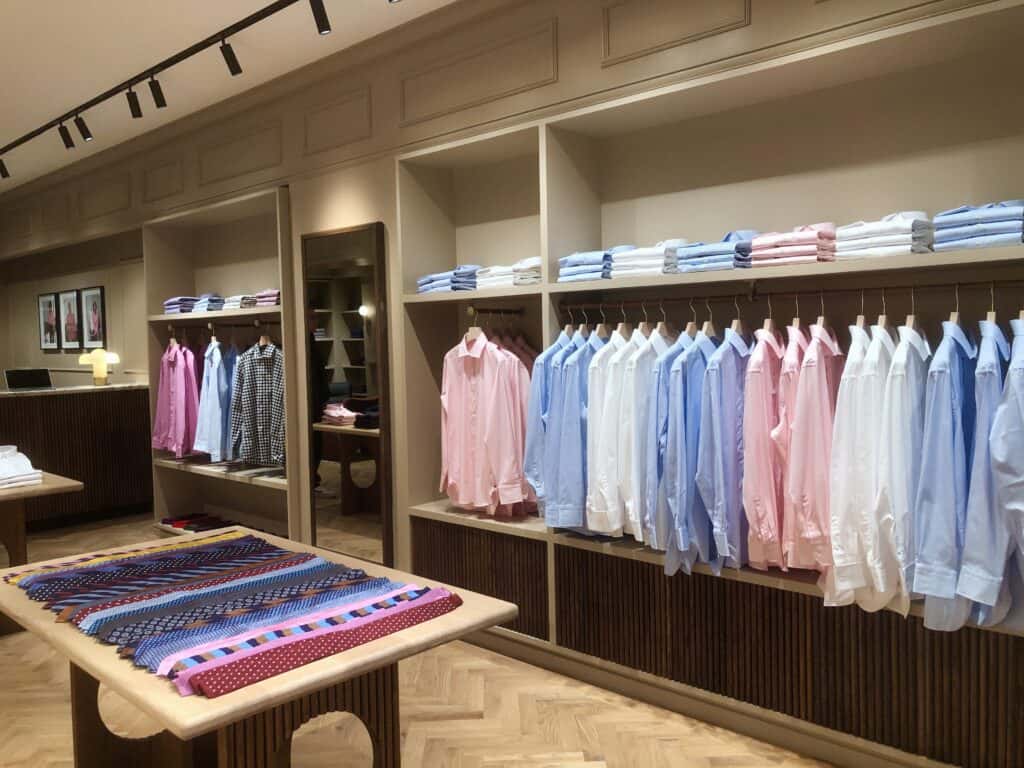
This cannot be guesswork. If customers feel crowded—even slightly—they will lose interest in browsing. You will see this in how quickly they move through the space and how little time they spend at displays.
Signage is another place where retailers overestimate what customers will absorb. In reality, most signage gets ignored. Customers read very little before making a decision.
That means you cannot rely on signage to fix a confusing layout. If the store does not make sense physically, customers will not stop to figure it out—they simply leave.
Now layer in how different customer types actually behave today.
How Different Customer Types Shop—and What That Means for Your Store
If your customer base is highly value-conscious, the store needs to make price and product hierarchy obvious fast. Recent consumer research shows that 66% of shoppers have cut back on non-essential purchases, and 52% have shifted to lower-cost or store-brand options.
You’ll see this in-store immediately. Customers scan for price, compare options, and move on quickly if they can’t find what they need. If pricing, promotions, or product differences are not clear within a few seconds, they leave.
If your audience shops in a more tactile or reassurance-driven way, your design needs to support that behavior directly. Research shows that 57% of shoppers still plan to purchase in-store for key categories, and more than 60% browse in-store before deciding where to buy.
That means your store is doing the heavy lifting in the decision process. If customers cannot easily touch products, compare options, or understand differences without asking for help, they lose confidence and walk out without buying.
A more open, clearer layout usually means showing fewer products at once. But in most cases, this improves performance. A dense store can look full and productive, but if customers cannot quickly understand what matters, they feel pressured and confused, quickly losing interest.
This is where retail construction management decisions become critical. Fixture placement, aisle width, and flow are difficult and expensive to change after the build. If these decisions are not aligned with how your customers actually shop, you’ll end up correcting them later—usually under pressure and at a higher cost.
Do not make the mistake of designing for visual impact instead of behavior. A layout can look right on paper and still fail the moment real customers start moving through it.
How to Figure Out Retail Customer Demographics
Start with your actual customers, not the customers you wish you had. This is where a lot of retailers go wrong. They design for who they want to attract, then wonder why the store doesn’t connect once people start shopping.
The first place to look is your own data. Pull sales by category, average transaction value, and repeat purchase patterns.
If lower-priced items move consistently while premium ones stall, your customer is more price-sensitive than your branding suggests. If one category drives repeat visits, that is your anchor—not just another product line.
Pay attention to the gap between what people look at and what they buy. Displays that get attention but don’t convert are usually a pricing, positioning, or clarity problem—not a traffic problem.
If you don’t separate browsing from buying, you’ll optimize the wrong things.
Then get out on the floor and watch what actually happens. Do people head straight to a category, or hesitate at the entrance? Do they stop and engage, or scan and move on?
If customers aren’t slowing down where you expect them to, something in your layout or merchandising isn’t working—and they won’t stop to figure it out.
If you cannot clearly answer “who is this store for, what are they trying to do here, and what gets in their way,” your layout, merchandising, and branding will never feel quite right.
The Right Retail Design for Your Customer Demographics and Brand
Think of how quickly you decide if a retailer is for you. The window display catches your eye, you pause, walk in and immediately decide to either walk around the store or to turn and walk out.
This all happens in seconds. First impressions matter.
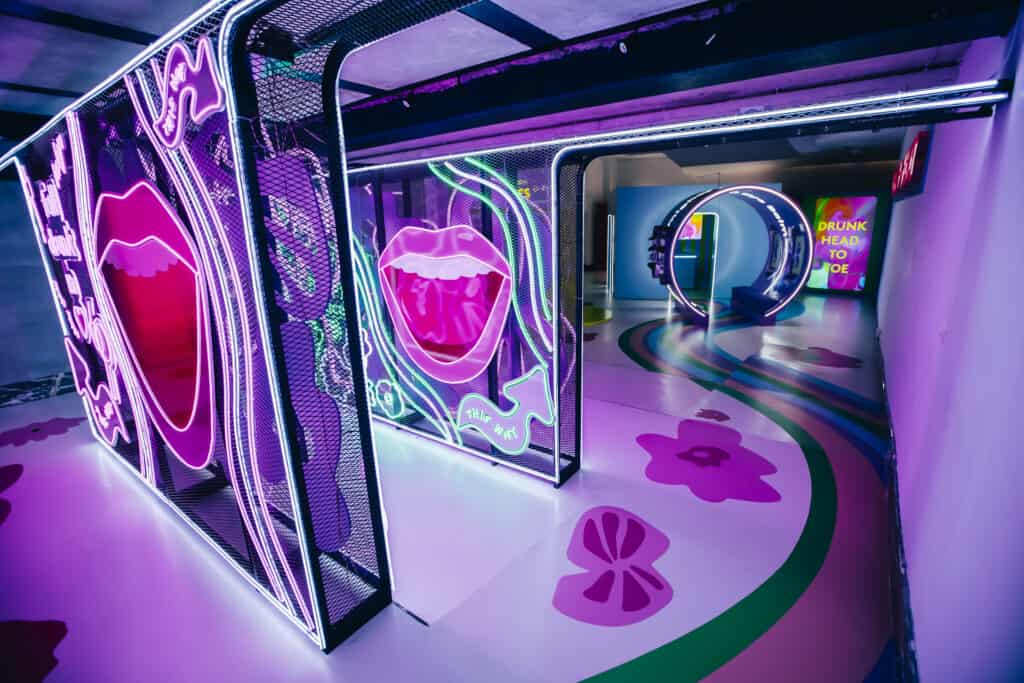
You need to think of and see your retail branding and store design like the customers you sell to.
- Color: bright or earth tones, loud or quiet, rainbows and unicorns or shades of grey – your color options are endless, but they must appeal to your customers.
Target stores are associated with the color red. Apple stores primarily use white. Menchie’s uses bright pink and yellow. Home Depot uses orange in its branding.
These colors weren’t chosen by chance. The branding and design teams behind these brands know that certain colors appeal more to men than women, some colors encourage impulse buying, other colors are calming, color can evoke feelings of quality or prestige, and color can even convince people that a product is a great deal. - Lighting: design and choice of lighting makes a statement and sets the ambience of your store.
For example, Belong Gaming uses lighting to make customers feel like they are inside a game. The store is dark, with black walls, features over 80 computer and video gaming screens, and uses LED lighting to create a neon effect. Not only is this conducive to gaming but it mimics the drama and mood of competitive gaming.
Think about how you can use lighting to feature products, welcome people into your store, or guide them through the store. What type of task lighting makes sense for changerooms? How do you want to use ambient lighting? - Music: there is an 86% correlation between our emotional response to a sound and our conscious desire to engage or avoid the associated experience in the future.
The music you play and the volume you play it at must align with your retail brand. Grocery stores typically do not play hip hop, emo, or electronic music. Clothing stores targeted to younger shoppers do not play classical music.
Music volume, tempo, and genre have a direct impact on customer experience. Observe how people react to your in-store music – do they slow down, start tapping their feet, or appear to be rushing? Do you want a noisy store environment that feels like its buzzing with activity? - Comfort: the more comfortable people are, the longer they stay, and the more opportunities you have to sell to them.
For LEGO enthusiasts, comfort is seeing the latest LEGO kits on full display and having the chance to play, design, and create in a supportive and relaxing environment. LEGO knows that people love to see, touch, and experience their products before buying – creating destination stores that encourage and welcome play.
What says comfort to your customers? Is it an in-store coffee shop, comfortable chairs for reading books before buying, or a photo-ready area ideal for TikTok or Instagram Reels? - Space: the positioning and proximity of your shelves and fixtures creates a distinct store experience.
A major grocery store chain recently remodeled its stores – moving from small aisles with towering shelves of products to aisles wide enough for more than two grocery carts and shelving units no taller than six feet. Without changing its lighting or colors, the store felt brighter, fresher, and people spent more time lingering and browsing.
Pay attention to how people move through your store. Do they avoid areas with one or more people? Do they rush from display to display? Do they slow down, stop, and really look at your products or do they scan and walk? - Convenience: it needs to be easy for people to touch and see your products.
Think of an Apple store, people are constantly walking in, stopping in front of the latest iPhone, watch, or iPad – touching it, using it, and experiencing it. They might not even talk to a sales person – the product experience is all they need to connect them to the brand and leave a positive impression.
Choose retail fixtures that suit both your products and your customer demographic. Do you customers like to browse and try products without a sales person? Do your customers prefer a step-by-step demo of product features? What makes more sense – locked display cases that require a salesperson, or open display boards/tables that make it easy for people to touch, manipulate, and experience your products?
Stand outside your store. Watch people walk by.
Are the people you want to sell to stopping and walking in or do they keep on walking? Did you get your branding right? It’s a simple question – but not an easy one to answer.
Ready to Align Your Retail Store with Your Customer Demographics?
You need to know your customer demographic—what they like and dislike. It’s time to align your retail brand and design with how your customers see themselves.
If your store design isn’t connecting with the right customers, it’s time to reassess.
Let’s talk about how our retail design and installation expertise can help you build a store that performs.
At Dynamic Resources, our unique combination of IN-HOUSE offerings makes us your single source provider for all your retail fixture and millwork installation needs. No one understands installation better than we do.